

Successful first year for Penallta Reuse Shop


Keeping employment, value creation and tax revenues close to home.
16th January 2026
Innovation in Textiles
|
Baden-Württemberg, Germany
A project in Germany is demonstrating that full regional supply chains in Europe can still be economically viable when price, value creation and economic return are viewed as a whole.
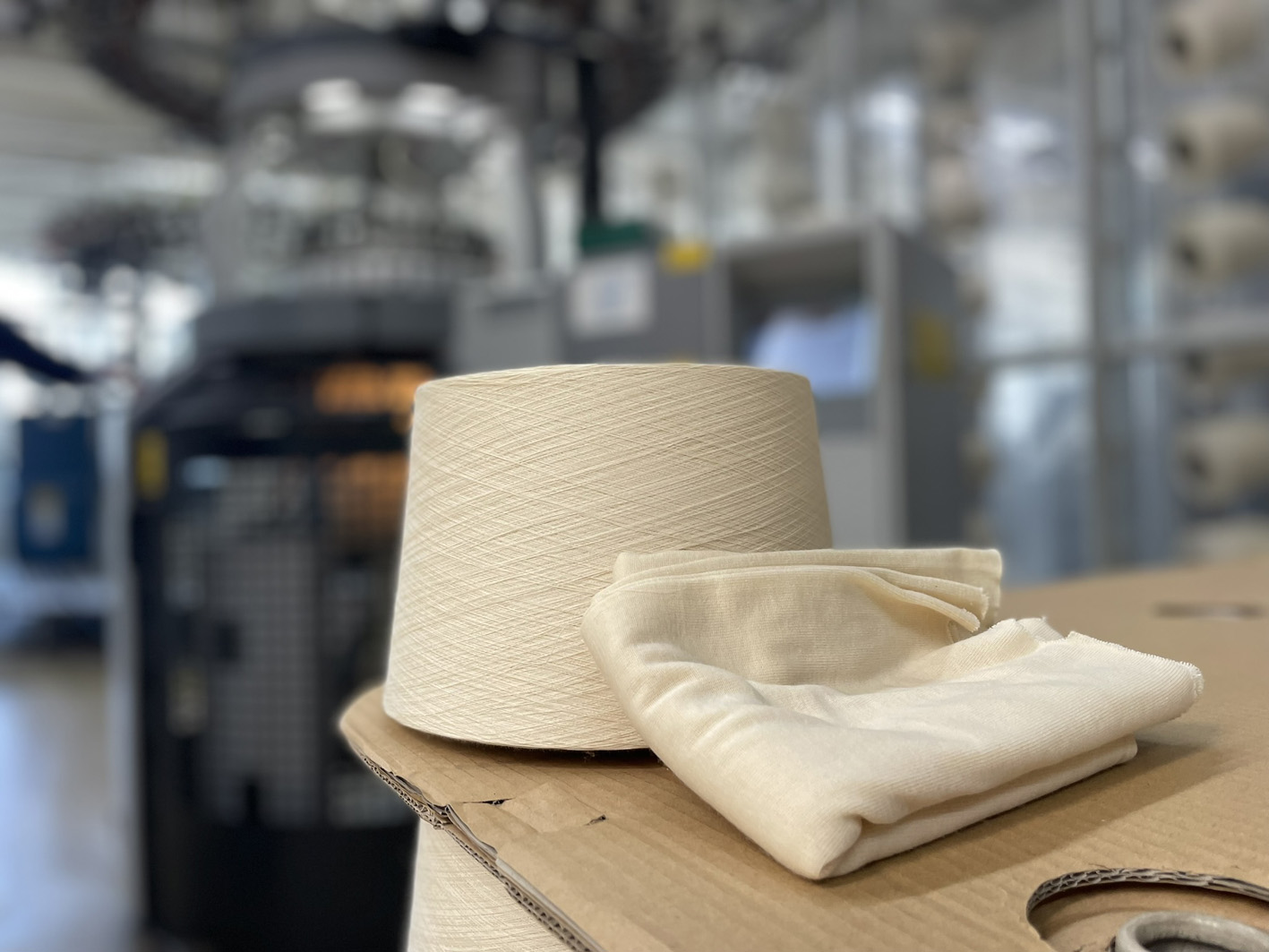
In the Local Fabric Makers (Lokalstoffmacher) project, three companies in the state of Baden-Württemberg have established a fully regional knitwear value chain driven entirely by economic feasibility and full transparency of supply.
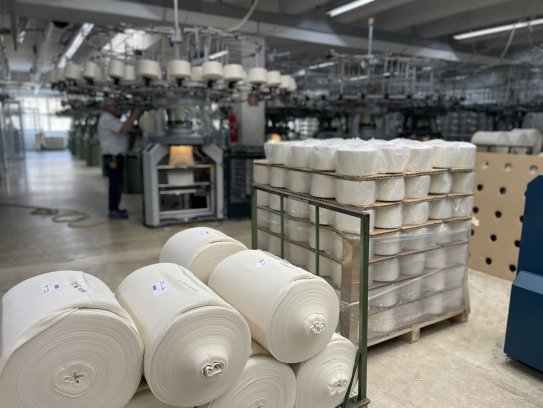
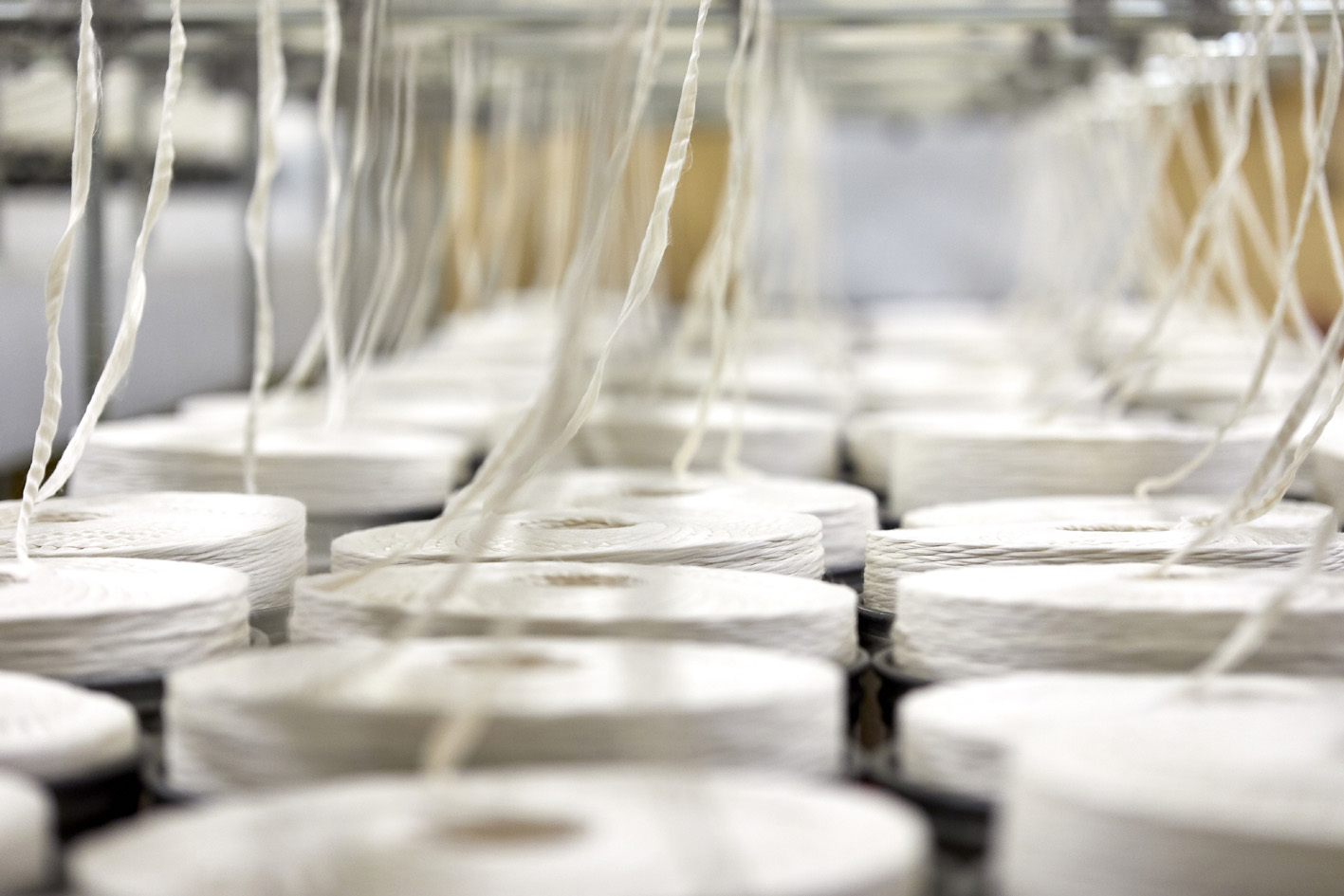
The fibre is sourced in Spain and spun at Gebrüder Otto in Dietenheim, with the knitted fabric produced by Edelweiss Jersey in Albstadt and final finishing carried out by Textilveredlung Keller in Öschingen, with all production steps clearly defined, fully traceable and taking place in close geographical proximity, resulting in certified, market-ready textile solutions.
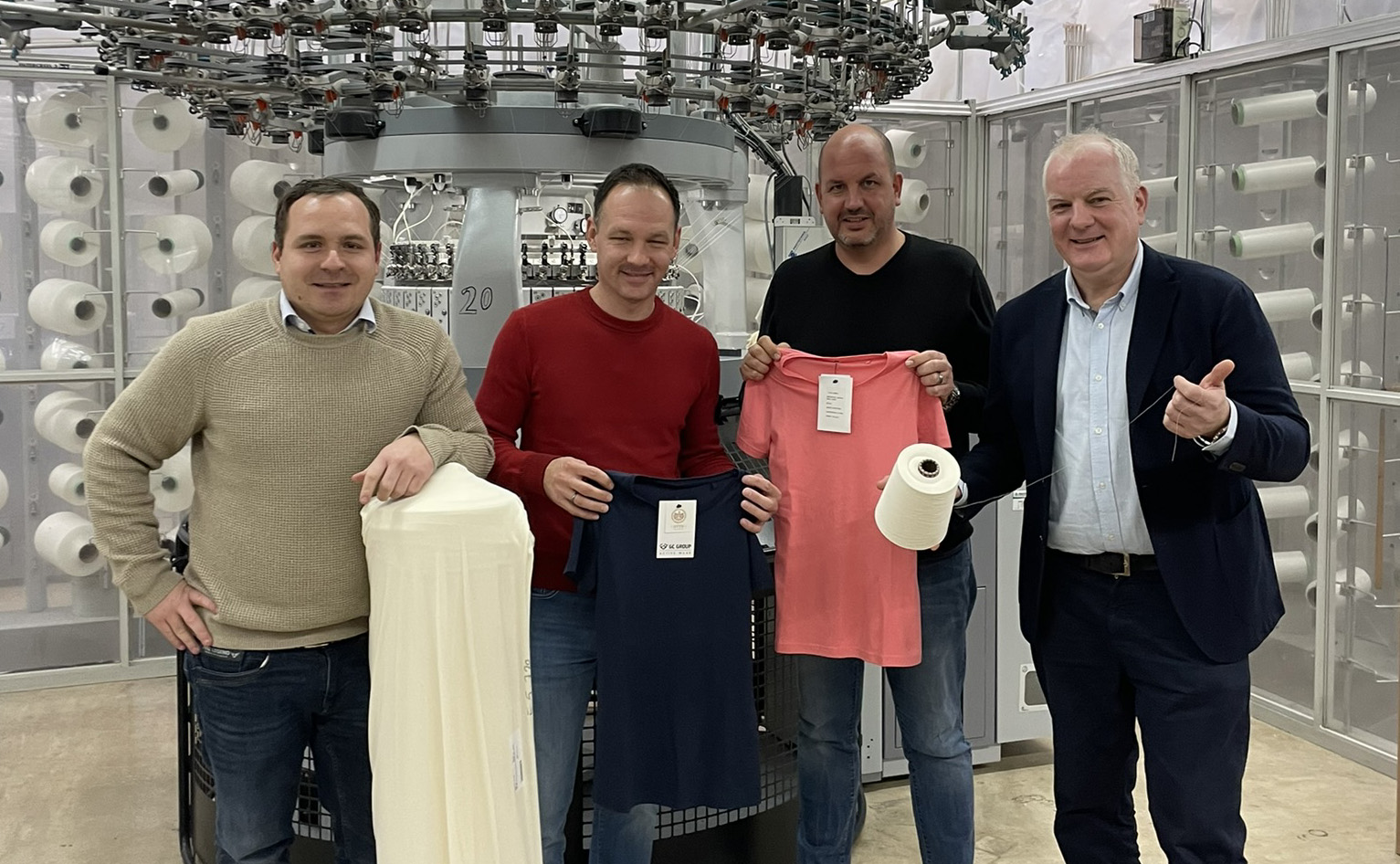
Initiated in 2025 by Patrick Herter, managing director of Edelweiss Jersey, the project was designed to establish a stable and resilient cooperation model between specialised partners.
According to the co-managing directors of Textilveredlung Keller, Sebastian Keller and Christian Weiss, greater visibility of each production stage is essential and the key is to generate reliable, value-creating orders.
“The close geographical proximity of our companies enables direct exchange and agile collaboration which are a key advantages in an increasingly complex textile market,” says Andreas Merkel, managing director of Gebr. Otto.
Domestic luxuries
Merkel refers to the concept of ‘domestic luxuries’, a term introduced by the management consultancy McKinsey to describe the growing consumer preference for locally produced goods, as the approach being taken by Local Fabric Makers.
In the premium and upper-mid apparel segments particularly, regional origin, transparency and authenticity are increasingly valued and rewarded by customers. And although the project is still in its early stages, one benefit is already clear – cooperation has significantly strengthened integration across the value chain.
“We previously had no direct interaction with the spinning mill – there was always an intermediary,” says Sebastian Keller. “This project has changed that fundamentally.”
Patrick Herter points to comparable initiatives in other European countries such as Greece which aim to retain textile value creation domestically.
“This is clearly a global trend and not about isolation or local patriotism, but about recognising that employment and industrial expertise depend on locally manufactured products,” says Merkel.
The partners have further identified public procurement as a second target market for textiles produced by Local Fabric Makers.
While to date many public contracts have been awarded internationally primarily on the basis of unit price, such calculations are incomplete.
“As manufacturers, we contribute to the economy through taxes, social security contributions and various levies,” Merkel explains. “In a realistic cost comparison, these return flows must be taken into account.”
From this perspective, awarding public contracts domestically can deliver high-quality products at competitive overall cost. While short-term price considerations often still favour imports, increasing pressure on labour markets and rising social expenditures call for a broader economic assessment.
“The greatest return is achieved when public funds flow back into employment, value creation and tax revenues within the same economy,” Merkel asserts.
Completing the chain
“A fabric is still an intermediate product,” adds Weiss. “The next step is to partner with a garment manufacturer who can turn our knitted fabric into a finished apparel product.”
Participation in public tenders in particular, requires this final production stage to be fully integrated and the Local Fabric Makers are already in dialogue with potential partners.
Looking ahead, they also see opportunities to work with additional fibres.
“Cotton was a logical and practical starting point to establish our cooperation and now that the structure is in place, we are thinking further ahead,” Herter concludes.

Business intelligence for the fibre, textiles and apparel industries: technologies, innovations, markets, investments, trade policy, sourcing, strategy...
Find out more